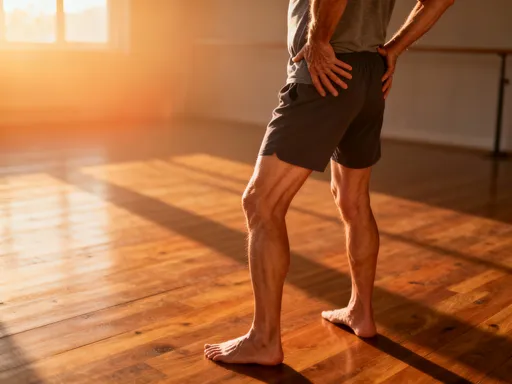
How Flexibility Training Quietly Shields Your Body from Chronic Illness
You might think flexibility is just about touching your toes, but it’s actually a hidden defender against chronic disease. Stiffness isn’t just uncomfortable—it’s a warning sign. As someone who once ignored stretching, I now see how daily mobility work reduces inflammation, improves circulation, and supports joint health. This isn’t about becoming a yogi; it’s about long-term protection. Let’s explore how staying supple isn’t just fitness—it’s prevention. While many focus on strength or cardio as pillars of health, flexibility often sits quietly in the background, overlooked and undervalued. Yet, mounting evidence shows that maintaining a functional range of motion is not merely about physical ease—it plays a critical role in reducing the risk of long-term illness. From easing strain on the cardiovascular system to supporting metabolic balance, flexibility is a silent guardian of well-being.
The Hidden Cost of Stiffness: Why Flexibility Matters More Than You Think
Flexibility is commonly misunderstood as simply the ability to stretch far or perform dramatic poses. In reality, it refers to the body’s capacity for full, pain-free movement across joints and muscle groups. It underpins everyday activities—bending to tie a shoe, reaching overhead, or turning to check a blind spot while driving. When flexibility declines, so does functional independence. Over time, reduced mobility contributes to poor posture, joint degeneration, and inefficient movement patterns that strain the body’s systems. These changes may seem minor at first, but they accumulate, setting the stage for more serious health concerns.
Chronic stiffness is more than a nuisance; it reflects deeper physiological imbalances. Tight muscles restrict blood flow, limiting oxygen delivery and slowing the removal of metabolic waste. This environment promotes localized inflammation, which, when sustained, can become systemic. Research has linked chronic low-grade inflammation to a host of conditions, including heart disease, type 2 diabetes, and arthritis. Furthermore, restricted movement alters biomechanics, increasing stress on the spine and joints. For example, tight hip flexors from prolonged sitting can tilt the pelvis forward, leading to lower back pain and disc compression over time.
There is also growing evidence connecting inflexibility to early markers of metabolic syndrome—a cluster of conditions that raise the risk of heart disease and diabetes. A study published in the Journal of Physical Therapy Science found that individuals with poor trunk flexibility had higher levels of arterial stiffness, a predictor of cardiovascular disease. Scientists theorize that the connective tissues affected by inflexibility may share biological pathways with those involved in vascular health. In this way, a simple forward bend may indirectly reflect the resilience of your arteries.
Think of your joints like hinges on a door. When well-oiled and regularly used, they move smoothly. But if left untouched, they rust and seize. The body responds similarly: unused range of motion leads to collagen cross-linking, shortened muscle fibers, and reduced synovial fluid production. This biological “rust” diminishes joint integrity and increases wear. Unlike a door, however, the human body cannot be replaced. The cost of stiffness is not just discomfort—it’s a gradual erosion of long-term health. Addressing it early through consistent mobility work is not vanity; it’s a practical, preventive measure.
Flexibility and the Inflammation Connection: A Silent Shield Against Disease
One of the most compelling reasons to prioritize flexibility lies in its ability to modulate the body’s inflammatory response. Chronic inflammation is a silent driver of many diseases, and emerging research suggests that regular stretching can help keep it in check. Studies have shown that individuals who engage in consistent flexibility training exhibit lower levels of pro-inflammatory markers such as interleukin-6 (IL-6) and C-reactive protein (CRP). These biomarkers are closely monitored in clinical settings because elevated levels are associated with increased risk for heart disease, stroke, and autoimmune disorders.
How does stretching achieve this? The answer lies in circulation. When muscles are stretched, blood flow increases to the targeted areas. This enhanced perfusion delivers oxygen and nutrients while flushing out metabolic byproducts like lactic acid and inflammatory cytokines. Additionally, stretching stimulates the lymphatic system, which plays a key role in immune regulation and fluid balance. Unlike the circulatory system, the lymphatic system lacks a pump and relies on muscle contraction and movement to function. Therefore, flexibility exercises—especially those involving slow, sustained motions—help keep this system active and efficient.
Oxidative stress, another contributor to chronic disease, is also reduced through regular mobility work. Oxidative stress occurs when there’s an imbalance between free radicals and antioxidants in the body, leading to cellular damage. Stretching has been shown to increase the activity of antioxidant enzymes such as superoxide dismutase and glutathione peroxidase. This protective effect helps preserve tissue integrity and slows the aging process at a cellular level.
For individuals managing conditions like arthritis, diabetes, or hypertension, flexibility training offers measurable benefits. In a clinical trial involving adults with osteoarthritis, those who participated in a 12-week stretching program reported reduced joint pain and improved physical function. Similarly, people with type 2 diabetes who practiced daily stretching showed better glycemic control, likely due to improved insulin sensitivity from enhanced blood flow. While flexibility training is not a replacement for medical treatment, it serves as a valuable complementary practice—one that supports the body’s natural healing and regulatory systems.
Beyond Stretching: What True Flexibility Training Actually Involves
True flexibility training goes beyond the occasional toe touch or quick pre-workout stretch. It involves a structured approach that includes multiple techniques designed to improve muscle elasticity, joint mobility, and neuromuscular control. Many people equate flexibility with extreme ranges of motion, but the goal is not contortion—it’s functional movement that supports daily life. A well-rounded program incorporates dynamic stretching, static holds, proprioceptive neuromuscular facilitation (PNF), and myofascial release, each serving a unique purpose in enhancing overall mobility.
Dynamic stretching involves controlled, movement-based exercises that warm up the muscles and prepare the body for activity. Examples include leg swings, arm circles, and walking lunges with a twist. These movements increase heart rate slightly while promoting joint lubrication and muscle activation. Static stretching, on the other hand, involves holding a position for 20 to 60 seconds to lengthen muscle tissue. This is most effective after activity when muscles are warm. Target areas like the hamstrings, hip flexors, shoulders, and calves benefit greatly from consistent static stretching.
Proprioceptive neuromuscular facilitation (PNF) is a more advanced technique often used in rehabilitation settings. It involves contracting a muscle before stretching it, which helps override the nervous system’s resistance to lengthening. A common PNF method is the “contract-relax” sequence: for example, gently pushing against a partner’s resistance when stretching the hamstring, then relaxing into a deeper stretch. While this can be done with assistance, self-applied PNF using a strap or towel is also effective.
Myofascial release addresses the connective tissue surrounding muscles, known as fascia. When fascia becomes tight or restricted, it can limit movement and contribute to pain. Using tools like foam rollers or massage balls, individuals can apply gentle pressure to release these adhesions. For instance, rolling the back of the thigh can ease tightness in the hamstrings, while a lateral roll targets the iliotibial (IT) band. These techniques, when performed regularly, enhance tissue quality and support long-term flexibility.
A simple, science-backed routine can be completed in just five minutes a day. Begin with 30 seconds each of dynamic leg swings forward and side-to-side, followed by a 30-second forward fold to stretch the hamstrings. Move into a kneeling hip flexor stretch for 45 seconds per side, then perform shoulder rolls and a doorway chest stretch to open the upper body. Finish with a seated spinal twist and a brief calf stretch against the wall. Repeating this sequence daily builds a foundation of mobility that pays dividends over time. The key is consistency—small efforts, repeated regularly, lead to lasting change.
How Tight Muscles Contribute to Chronic Conditions: The Science of Movement Deficits
The relationship between muscle tightness and chronic illness is more direct than many realize. When specific muscle groups remain chronically tense, they alter biomechanics, placing undue stress on joints, nerves, and internal systems. For example, tight hip flexors—common in those who sit for long periods—pull the pelvis forward, increasing lumbar lordosis and compressing the lower spine. This misalignment accelerates disc degeneration and is a frequent contributor to chronic lower back pain, one of the leading causes of disability worldwide.
Similarly, tightness in the shoulder girdle can impair posture and breathing mechanics. Rounded shoulders from prolonged computer use shorten the pectoral muscles and weaken the upper back. This not only increases the risk of rotator cuff injuries but also restricts rib cage expansion, reducing lung capacity. Over time, compromised respiratory function can affect cardiopulmonary efficiency, making everyday activities more taxing and contributing to fatigue and reduced stamina. In older adults, this decline in breathing mechanics is associated with a higher risk of respiratory infections and slower recovery from illness.
Calf tightness is another overlooked issue with systemic implications. The calf muscles act as a secondary pump for venous return, helping blood travel back to the heart from the lower extremities. When calves are stiff, this “muscle pump” function is impaired, leading to poor circulation, swelling in the legs, and an increased risk of venous stasis. In severe cases, this can contribute to the development of varicose veins or deep vein thrombosis, particularly in sedentary individuals. Regular calf stretching and ankle mobility work can mitigate these risks and support vascular health.
Clinical observations consistently show that restricted movement patterns often precede diagnosable conditions. A person may not yet have hypertension, but if their neck and shoulder muscles are chronically tight, they may already exhibit elevated resting heart rate and reduced heart rate variability—early signs of autonomic nervous system imbalance. Likewise, someone with tight hamstrings and limited forward bend may have stiffer arteries, even if blood pressure readings appear normal. These subtle deficits serve as early warnings, highlighting the importance of proactive mobility work before symptoms arise.
Building a Sustainable Routine: Practical Strategies for Real Lives
Knowing the benefits of flexibility is one thing; integrating it into daily life is another. The most effective routines are not complex or time-consuming—they are simple, consistent, and woven into existing habits. A 7-day starter plan can help ease beginners into the practice. On day one, begin with a 5-minute morning sequence: gentle neck rolls, shoulder shrugs, and a seated forward bend. Day two adds a standing quad stretch and a doorway chest opener. By day three, incorporate a foam roller session for the back and legs. Each day builds slightly, but never exceeds 10 minutes, ensuring sustainability.
Timing matters. Integrating flexibility work into natural transitions—such as after waking, following long periods of sitting, or before bedtime—increases adherence. For instance, stretching the hips and spine after a work session counteracts the effects of prolonged sitting. A bedtime routine focusing on the hamstrings, lower back, and shoulders can also promote relaxation and improve sleep quality, as reduced muscle tension signals the nervous system to shift into rest mode.
Tools can enhance the experience without requiring expense or expertise. A foam roller helps release tight fascia, particularly in the back, glutes, and legs. Resistance bands assist with stretching the hamstrings or shoulders, allowing for greater control and depth. Even a simple towel can be used for PNF-style stretches at home. These tools make it easier to maintain proper form and target hard-to-reach areas, increasing the effectiveness of each session.
Common barriers—lack of time, motivation, or perceived inflexibility—can be overcome with small adjustments. For time, pair stretching with another habit, such as watching the news or listening to a podcast. For motivation, track subtle improvements: less stiffness upon waking, greater ease when bending down, or improved posture in photos. For those who feel too stiff to begin, start with seated movements or chair-based stretches. Progress is not measured by how far one can reach, but by how much easier daily life becomes. Celebrating these small wins reinforces the habit and builds long-term commitment.
Who Benefits Most? Identifying Risk Groups That Need Flexibility Work
While everyone can benefit from improved flexibility, certain groups stand to gain the most. Sedentary workers, particularly those in desk-based jobs, are at high risk for stiffness-related issues. Prolonged sitting leads to shortened hip flexors, tight chest muscles, and weakened glutes—all of which contribute to poor posture and spinal strain. Without intervention, these imbalances can lead to chronic pain and reduced mobility over time. Introducing brief flexibility breaks every hour—such as standing stretches or walking lunges—can counteract these effects and support musculoskeletal health.
Older adults also benefit significantly from regular mobility work. Aging naturally reduces muscle elasticity and joint fluid, leading to stiffness and increased fall risk. Flexibility training helps maintain balance, coordination, and independence, allowing older individuals to perform daily tasks with greater ease. Programs like tai chi and gentle yoga, which emphasize slow, controlled movements, have been shown to improve functional mobility and reduce injury rates in seniors.
Individuals with pre-diabetic conditions, hypertension, or excess weight face additional risks that flexibility training can help mitigate. These populations often experience higher levels of systemic inflammation and circulatory challenges. By improving blood flow and reducing oxidative stress, mobility work supports metabolic and cardiovascular function. When combined with balanced nutrition and aerobic activity, flexibility becomes a key component of a holistic prevention strategy.
It’s important to emphasize that it’s never too late to start. Studies show that even individuals in their 70s and 80s can achieve meaningful gains in range of motion with consistent practice. The benefits are not limited to physical changes—participants often report improved mood, reduced anxiety, and a greater sense of well-being. Flexibility training, therefore, is not just about the body; it’s about enhancing overall quality of life at any age.
The Long Game: Flexibility as a Lifelong Investment in Health
Flexibility should not be viewed as a fitness trend or a temporary goal, but as a lifelong investment in health. Unlike intense workouts that may become unsustainable with age, mobility work grows more valuable over time. It supports independence, reduces the risk of injury, and eases the physical demands of daily living. As the body ages, maintaining range of motion becomes essential for performing basic tasks—getting out of a chair, climbing stairs, or reaching into a cabinet. Those who prioritize flexibility are more likely to retain their autonomy and avoid the need for assisted living or medical interventions.
On a broader scale, widespread adoption of flexibility training could reduce the healthcare burden associated with chronic disease. Conditions like lower back pain, arthritis, and circulatory disorders place immense strain on medical systems. Preventive strategies that are low-cost, low-risk, and highly accessible—such as daily stretching—offer a powerful way to lower incidence rates and improve population health. Employers, healthcare providers, and community programs can play a role by promoting mobility education and providing resources for consistent practice.
Mental and emotional well-being are also deeply connected to physical mobility. The act of moving with ease fosters a sense of freedom and confidence. Stretching routines, especially when performed mindfully, can serve as a form of moving meditation, helping to calm the nervous system and reduce stress. This mind-body connection enhances resilience, allowing individuals to better cope with life’s challenges. In this way, flexibility training supports not just physical health, but emotional balance and mental clarity.
In conclusion, flexibility is far more than a physical attribute—it is a protective force against chronic illness. It reduces inflammation, supports circulation, preserves joint health, and enhances overall function. The practice requires no special equipment, expensive memberships, or hours of commitment. Just a few minutes a day, done consistently, can yield profound results. Rather than seeing movement as medicine, consider it a daily act of self-care—one that is simple, silent, and profoundly protective. By honoring the body’s need for motion, individuals take a quiet but powerful step toward a healthier, more vibrant life.