How I Built a Life-Changing Routine After Injury — Real Talk on Long-Term Healing
Recovering from a setback isn’t just about quick fixes — it’s about building habits that last. I learned this the hard way after an injury forced me to rethink everything. What started as basic rehab turned into a daily health journey focused on consistency, not perfection. This is the real story of how small, smart choices added up to lasting change — and how you can start your own path, one step at a time.
The Wake-Up Call: When My Body Said “Enough”
It wasn’t a dramatic accident or a sudden collapse. The moment my body said “enough” came quietly — a persistent ache in the lower back that no amount of rest could fix, followed by a sharp pain one morning while lifting a grocery bag. That was the tipping point. Doctors confirmed what I had been ignoring: years of poor posture, long hours at a desk, and minimal movement had led to a spinal strain that required more than a few days off work. This was not a short-term issue. It was a warning.
Emotionally, the realization was harder to process than the physical discomfort. I had always seen myself as someone who could push through — the kind of person who believed rest was for later. But now, even simple tasks like bending down to tie shoes or standing in the kitchen became challenges. The emotional toll included frustration, a sense of loss of independence, and quiet anxiety about what this meant for the future. I wasn’t just injured; I felt disconnected from my own body.
Short-term thinking had been my default. I’d tried quick fixes: painkillers, heating pads, a few half-hearted stretches. But these only masked the problem. It became clear that healing wasn’t about returning to my old routine — it was about creating a new one. Rehabilitation, I began to understand, wasn’t just about recovery. It was re-education. My body needed to unlearn years of neglect and relearn how to move, rest, and function in a sustainable way. This shift in mindset — from fixing to building — was the first real step forward.
Beyond the Doctor’s Orders: Turning Rehab into Daily Practice
Physical therapy gave me a roadmap, but it didn’t come with a guarantee. The exercises prescribed — gentle core engagement, pelvic tilts, controlled breathing — were simple on paper. But doing them once a week in a clinic wasn’t enough. Lasting change required integration into daily life. The real progress began when I stopped seeing rehab as something I did *to* my body and started seeing it as something I did *with* it.
I began by scheduling short movement sessions at the same time each day — after breakfast and before bedtime. These weren’t long; five to ten minutes was all it took. What mattered was consistency. I paired these with daily routines I already did: after brushing my teeth, I did my mobility drills. This is an example of habit stacking — linking a new behavior to an existing one. Over time, the sequence became automatic, like muscle memory for daily care.
Equally important was learning to pace myself. I used to believe that if something was good for me, more must be better. But pushing too hard too soon led to setbacks. Instead, I adopted the principle of gradual progression — doing a little more each week, always staying within a safe range. I also became more aware of my posture throughout the day. Simple adjustments — sitting with feet flat on the floor, taking breaks to stand every 30 minutes, using a supportive chair — became non-negotiable parts of my routine.
The shift from passive treatment to active self-care was transformative. I was no longer waiting to be “fixed.” I was participating in my own healing. This sense of agency made a profound difference. It wasn’t about intensity — it was about showing up, day after day, with intention. And over time, those small, repeated actions built a foundation that no single therapy session could have provided.
The Hidden Power of Tiny Habits
When I first started, I thought big changes required big efforts. I imagined hour-long workouts and strict diets. But what actually made the difference were tiny habits — small, manageable actions that asked little of me in the moment but delivered powerful results over time. These weren’t flashy or dramatic. They were quiet, consistent, and deeply effective.
One of the first micro-habits I adopted was morning mobility. Before getting out of bed, I spent two minutes doing gentle spine movements — pelvic tilts, knee-to-chest lifts, and diaphragmatic breathing. It took less time than making coffee, but it set the tone for the day. My body felt more awake, less stiff. Over time, I noticed I could move more freely in the mornings, and the sharp twinges that used to greet me were gone.
Another small habit was hydration tracking. I placed a marked water bottle on my nightstand and aimed to finish it by 10 a.m. Dehydration can worsen muscle tension and slow healing, and I had been chronically under-drinking. This simple visual cue helped me build awareness. Within a week, I felt less fatigued and more mentally clear. It wasn’t a miracle — it was science. Even mild dehydration affects cognitive function and physical recovery.
Evening unwinding became another anchor habit. Instead of scrolling through my phone in bed, I spent ten minutes doing a guided relaxation exercise or light stretching. This wasn’t just about physical release — it helped regulate my nervous system. I began sleeping more deeply, and my body had more time to repair overnight. These habits worked because they were designed to be easy. They didn’t rely on motivation. They relied on structure and repetition.
The science behind this is well-established. Habits form through neural pathways that strengthen with repetition. When a behavior is repeated in the same context, the brain begins to automate it. This is why behavioral cues — like doing stretches after brushing your teeth — are so powerful. Over time, the action becomes automatic. I didn’t “feel like” doing these things every day. But I did them anyway. And after about six weeks, they stopped feeling like chores. They became part of who I was.
Movement That Lasts: Finding Joy in Daily Motion
Early in recovery, movement felt like a punishment. Every step was cautious. Every stretch was measured. I associated exercise with pain, effort, and obligation. But as my body healed, I began to explore movement not as a task, but as a form of self-care. The goal was no longer to burn calories or build strength quickly — it was to feel good in my body again.
I shifted from high-effort workouts to low-impact, frequent movement. Instead of aiming for a 45-minute gym session, I focused on accumulating small bursts of activity throughout the day. A 10-minute walk after meals. Gentle yoga in the living room. A few minutes of standing and stretching while waiting for the kettle to boil. This approach, often called “movement snacking,” has been shown to support circulation, reduce stiffness, and improve joint health without overloading the body.
What surprised me most was how enjoyable it became. I started noticing the little things — the warmth of the sun on my skin during a morning walk, the way my shoulders relaxed after a few shoulder rolls, the quiet satisfaction of moving without pain. Movement became less about performance and more about presence. I learned to listen to my body, not push through it. If something hurt, I stopped. If I felt tired, I rested. This wasn’t weakness — it was wisdom.
Over time, these small movements added up. I walked farther without discomfort. I could play with my kids without worrying about back pain. I stood taller. The joy wasn’t in achieving a fitness goal — it was in reclaiming my life. Sustainable movement isn’t about intensity. It’s about frequency, consistency, and kindness. When you move in a way that respects your body’s limits, you build a relationship with it — one that lasts far longer than any workout plan.
Rest Is Not Lazy — It’s Part of the Plan
One of the hardest lessons I had to learn was that rest is not a sign of failure. Like many people, I grew up believing that productivity meant constant action. If I wasn’t doing something, I wasn’t achieving. But healing taught me that rest is not the opposite of progress — it is progress. Biological repair happens during stillness, not motion. Muscles rebuild, tissues heal, and the nervous system resets when we allow ourselves to truly rest.
I began to prioritize sleep hygiene — going to bed and waking up at the same time each day, keeping the bedroom cool and dark, and avoiding screens an hour before bed. These small changes had a big impact. I fell asleep faster, woke up less during the night, and felt more refreshed in the morning. Quality sleep supports hormone regulation, immune function, and pain management — all critical for long-term healing.
I also introduced digital detox periods. I set boundaries around screen time, especially in the evenings. Instead of scrolling, I read, listened to calming music, or practiced mindfulness. These pauses gave my mind space to decompress. I noticed my anxiety levels dropped, and I felt more present with my family. Mindful pauses — even 60 seconds of deep breathing — became a way to reset during busy days.
Rest also meant giving myself permission to stop. If I felt fatigued, I sat down. If a task felt overwhelming, I broke it into smaller steps. I stopped equating busyness with worth. Over time, I realized that rest wasn’t slowing me down — it was fueling me. It allowed my body to recover, my mind to recharge, and my healing to continue. Rest is not lazy. It is a necessary, active part of any health journey.
Mindset Shifts That Made the Difference
Physical healing is only part of the story. The mental and emotional aspects were just as important — and often more challenging. There were days when progress felt invisible. Days when I compared myself to how I used to be, or to others who seemed to heal faster. Frustration was a constant companion in the early months. I wanted to be “fixed” quickly, but healing doesn’t work on a timeline.
What helped most was shifting my focus from outcomes to actions. Instead of asking, “When will I feel better?” I asked, “What can I do today to support my healing?” This small change in perspective reduced pressure and increased a sense of control. I began journaling — not to track pain levels, but to reflect on small wins. Writing down three things I did well each day — even if it was just drinking enough water or taking a short walk — helped me see progress I might have otherwise missed.
I also learned the value of self-compassion. I stopped criticizing myself for setbacks. A flare-up didn’t mean I had failed — it meant I had listened to my body and adjusted. I reframed my goals: instead of aiming for pain-free movement, I aimed for improved function — being able to stand longer, walk farther, or play with my children without discomfort. These functional goals were more meaningful and measurable.
Healing is not linear. There are peaks and valleys. Some weeks, I felt stronger. Others, I regressed. But over time, the overall trend was forward. By focusing on patience, self-kindness, and small, consistent actions, I built resilience — not just in my body, but in my mind. The journey wasn’t about becoming perfect. It was about becoming more aware, more present, and more in tune with myself.
Building a Life, Not Just a Recovery Plan
What began as a recovery plan evolved into a new way of living. The habits I built didn’t just help me heal — they improved my entire quality of life. I had more energy. I slept better. I felt more confident in my body. But perhaps the most profound change was in how I viewed health. It was no longer something I pursued when I was broken. It became a daily practice — a life I built, not just a problem I solved.
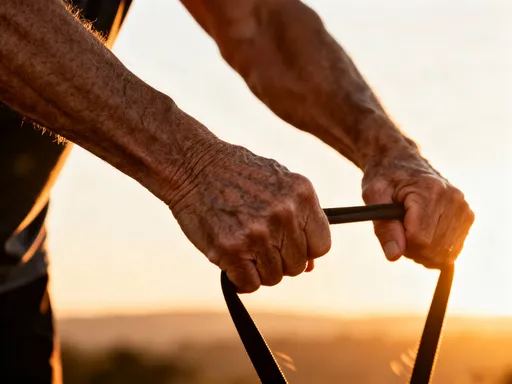
I redesigned my environment to support my habits. I placed resistance bands by the couch, kept a water bottle on my desk, and set reminders to stand and stretch. I involved my family — we started taking evening walks together, which strengthened both our health and our connection. Social support played a quiet but powerful role. Knowing I wasn’t alone made it easier to stay consistent.
The small wins added up to big confidence. Each time I followed through on a habit, I proved to myself that I could show up — even on hard days. That belief spilled over into other areas of life. I became more patient, more organized, and more intentional. The routines I built didn’t stay static. They evolved. As my body changed, so did my needs. I adjusted my movement, rest, and nutrition accordingly. This flexibility ensured sustainability.
Over time, these habits became part of my identity. I didn’t “try” to be healthy — I simply was. I showed up, not because I felt motivated, but because it mattered. Long-term health isn’t about perfection. It’s about presence. It’s about making daily choices that honor your body, your mind, and your life. And when you do that, healing becomes more than recovery — it becomes transformation.
True rehabilitation goes far beyond physical recovery — it’s about creating a life that supports healing every day. This journey taught me that lasting change comes not from drastic measures, but from the quiet power of daily choices. By focusing on sustainable habits, listening to my body, and embracing progress over perfection, I didn’t just heal — I built a healthier, more resilient version of myself. And that’s a transformation worth making, one habit at a time.