This Is What Happens When Nature Steals the Show in Austria
You know that feeling when a place just wows you? Salzkammergut did exactly that—lakes so clear they look filtered, mountains rising like giants, and villages straight out of a storybook. I went expecting pretty views but found something deeper: a landscape that feels alive. This isn’t just scenery; it’s nature in full symphony. If you’ve ever dreamed of escaping into pure, untouched beauty, this region should be on your radar.
First Glimpse: The Moment Salzkammergut Takes Your Breath Away
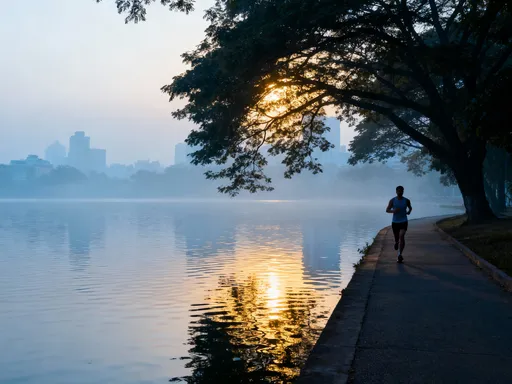
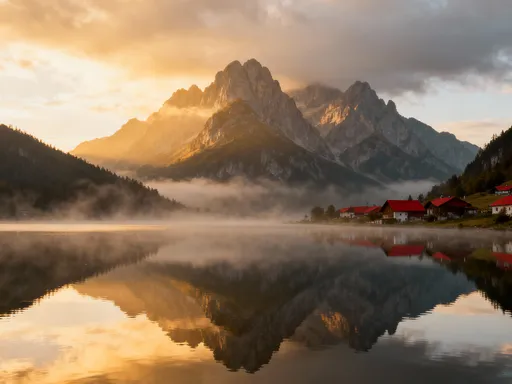
The journey into the Salzkammergut region begins long before you arrive. As the road winds higher into the Austrian Alps, the air grows crisper, the scent of pine and damp earth drifting through open windows. Then, around a gentle curve, it appears—Hallstätter See, shimmering under morning light, its surface so still it mirrors the sky and surrounding peaks like polished glass. Mist curls lazily above the water, dissolving as the sun climbs. This first view is not merely beautiful; it’s transformative. In that moment, the mind quiets, the breath slows, and the outside world—emails, errands, obligations—fades into irrelevance.
First impressions matter deeply in travel, especially when seeking renewal. The Salzkammergut delivers not just a visual spectacle but an emotional reset. Unlike destinations that reveal their charm gradually, this region announces itself with quiet grandeur. The juxtaposition of deep blue water, snow-dusted mountains, and the red rooftops of Hallstatt creates a scene so perfectly composed it feels unreal. Yet it is real—and accessible. Whether arriving by train, car, or boat, the experience of arrival is designed by nature itself, not tourism boards. This immediate immersion sets the tone for the entire journey, inviting visitors to slow down and truly absorb their surroundings.
What makes this initial moment so powerful is its authenticity. There are no staged photo ops or artificial enhancements. The landscape speaks for itself. The way light dances across the lake at dawn, the way shadows stretch across the valley in late afternoon—these are fleeting, unrepeatable moments. They remind us that nature operates on its own schedule, indifferent to human urgency. For many travelers, particularly those balancing busy family lives or professional responsibilities, this sense of timelessness is precisely what they’ve been missing. The Salzkammergut doesn’t just offer scenery; it offers a return to presence.
Why This Region? The Unique Blend of Water, Mountain, and Culture
The Salzkammergut stands apart from other alpine destinations not because it is more dramatic, but because it is more harmonious. Its beauty lies in balance—between water and rock, elevation and valley, solitude and community. Stretching across Upper Austria, Salzburg, and Styria, this UNESCO World Heritage region is home to over 70 lakes, each with its own character. From the intimate coves of Fuschlsee to the expansive waters of Attersee, these lakes are not afterthoughts in the landscape; they are central to its identity.
Geologically, the region was shaped by glaciers over millennia, carving deep basins that filled with meltwater and creating steep, forested slopes. The result is a terrain where water and mountain exist in constant dialogue. This interplay influences everything from microclimates to biodiversity. On the shores of Wolfgangsee, for instance, the southern exposure creates a slightly warmer environment, allowing chestnut trees and wild herbs to flourish. In contrast, the northern edges of Traunsee remain cooler, supporting dense spruce forests and moss-covered boulders. These subtle variations make each lake visit feel distinct, even within a relatively compact area.
Equally important is the human element. Settlements here are not imposed upon the land; they grow from it. Villages like Hallstatt and Mondsee have existed for centuries, their wooden houses, church spires, and narrow lanes evolving in response to the terrain. Salt mining, once the region’s economic backbone, left behind tunnels and traditions that are still honored today. The cultural heritage is not performative—it is lived. Locals speak with pride about their connection to the land, and visitors are welcomed not as consumers, but as guests. This authenticity fosters a deeper travel experience, one rooted in respect and reciprocity.
Hidden Corners Beyond the Postcard: Off-the-Beaten-Path Spots
While Hallstatt draws well-deserved attention, some of the most memorable moments in the Salzkammergut happen far from the crowds. Just a short drive from the main tourist routes lie quiet trails, secluded docks, and hilltop clearings that offer intimacy with nature. One such place is the forest path near Gosau, where a gentle hike through larch and fir trees opens onto a hidden alpine meadow. In late spring, it bursts with wildflowers—crocuses, gentians, and edelweiss—while the Gosaukamm mountain range rises in the distance like a fortress of stone.
Another lesser-known gem is the eastern shore of Fuschlsee, where a narrow wooden dock extends into the water, accessible only by foot. Arriving early in the morning, when the lake is still wrapped in mist, feels like stepping into a private world. The only sounds are the lap of water against the pilings and the distant call of a kingfisher. These quiet moments—when you are alone with the landscape—are often the most profound. They allow space for reflection, for listening, for simply being.
For those seeking elevation without exertion, a sunrise viewpoint above St. Wolfgang offers panoramic beauty with minimal effort. A short drive up the winding road to the Schafberg’s lower slopes reveals a pull-off with an unobstructed view of the lake below, the village still asleep under a soft blue haze. As the sun rises, the water catches fire, turning gold and amber. It’s a sight worth waking early for.
To experience these places responsibly, timing and transportation matter. Visiting midweek or in the shoulder seasons—late May or early September—reduces congestion. Regional trains and buses connect most towns, and many trails begin within walking distance of stations. When exploring nature, simple etiquette enhances everyone’s experience: staying on marked paths, packing out all waste, and keeping noise levels low. These small acts of care ensure that the Salzkammergut remains pristine for future generations.
Lakes as the Heartbeat: What Makes Each One Unique
The lakes of the Salzkammergut are not interchangeable. Each has its own rhythm, its own mood, shaped by depth, orientation, and surrounding terrain. Hallstätter See, perhaps the most photographed, is renowned for its mirror-like clarity. Fed by underground springs, its water is so pure it appears almost luminous. On calm days, the reflection of Dachstein’s peaks on the surface is so precise it’s hard to tell where the mountain ends and the water begins. Swimming here is a sensory delight—the initial shock of cold, followed by the buoyancy of mineral-rich water, the quiet hum of the valley all around.
Traunsee, the largest lake in the region, offers a different energy. Bounded by sheer limestone cliffs and forested slopes, it feels more expansive, more adventurous. Kayaking along its western shore, you might pass hidden coves where swans nest or small beaches used only by locals. The lake’s depth—over 190 meters in places—contributes to its cool temperature, even in summer, making it ideal for those who enjoy refreshing dips rather than warm lounging. Boat tours operate regularly, offering a relaxed way to take in the scale of the landscape.
Attersee, the longest lake in Austria, stretches over 20 kilometers, giving it an almost sea-like openness. Its gentle southern shore is dotted with reed beds and lily pads, creating a haven for dragonflies and marsh birds. This side of the lake is perfect for families, with shallow entry points and grassy areas for picnics. The northern shore, by contrast, is rockier and wilder, favored by experienced swimmers and snorkelers who come to explore submerged rock formations.
Water quality across the region is consistently excellent, thanks to strict environmental protections and limited development. Most lakes are classified as Class I or II for bathing water quality, meaning they meet high standards for safety and clarity. Seasonal changes also influence the experience: in early summer, the water is cooler but the surrounding greenery is at its most vibrant; by late August, temperatures rise slightly, and the light takes on a golden hue. Regardless of timing, floating on your back, staring up at the sky with mountains on every side, is a form of meditation available to all.
Mountain Vistas: Trails That Deliver Jaw-Dropping Rewards
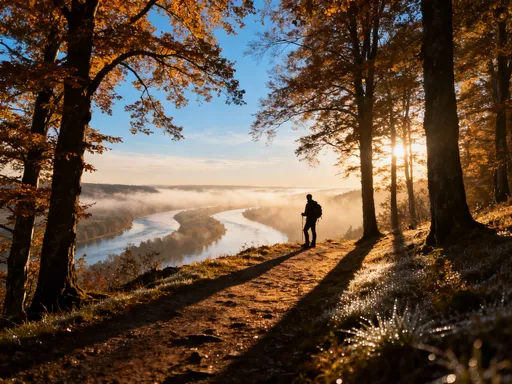
For those who love to walk, the Salzkammergut offers trails that balance accessibility with reward. The Hundskogel trail, starting near Bad Ischl, is a moderate two-hour loop that gains about 400 meters in elevation. What it lacks in difficulty it makes up for in views—panoramas of the Upper Traun Valley, the Ischler Mountains, and, on clear days, the distant spires of the Dachstein range. The path is well-maintained, with wooden steps in steeper sections and benches at scenic overlooks. It’s ideal for families or those easing into alpine hiking.
For a more dramatic ascent, the Schafberg demands attention. Located near St. Wolfgang, this 1,783-meter peak can be reached on foot via a well-marked trail that takes about three hours one way. The climb is steady, passing through alpine meadows and rocky outcrops, with frequent pauses to admire the view behind. But the true marvel is the summit. From the top, the entire Salzkammergut unfolds—lake after lake, valley after valley, all stitched together by forest and mountain. On exceptionally clear days, you can see as far as the Bavarian Alps.
Not everyone needs to hike to the top. The Schafbergbahn, a cogwheel train operating since 1893, offers a scenic alternative. Its vintage carriages chug up the steep slope with remarkable grace, offering panoramic windows and open-air platforms. Whether you walk or ride, the experience is the same: a sense of elevation, both physical and emotional. Standing at the summit, wrapped in mountain air, it’s easy to feel a quiet pride—not just in reaching the top, but in having taken the time to be here.
Safety is paramount. Trails are clearly marked with the Austrian Alpine Club’s color-coded system: yellow for easy, red for moderate, black for difficult. Hikers are advised to wear sturdy footwear, carry water and a light snack, and check weather conditions before setting out. Thunderstorms can develop quickly in the mountains, so it’s wise to begin hikes early and descend before afternoon. With proper preparation, however, these trails are safe and deeply rewarding.
Villages That Belong in Time: Where Nature Meets Heritage
The charm of the Salzkammergut is not confined to its natural landscapes. Its villages are living expressions of harmony between people and place. Hallstatt, though famous, remains deeply authentic. Its narrow lanes, built on a thin strip of land between mountain and lake, follow the contours of the terrain. Houses with flower-filled balconies lean gently toward the water, their facades painted in soft pastels. The Protestant church and Catholic parish church stand side by side, their spires piercing the sky.
Walking through Hallstatt is like moving through a timeline. The Mummified Bodies in the charnel house tell stories of centuries past, while the Salt Mine—still partially operational—offers a descent into the region’s economic heart. Yet daily life continues uninterrupted: children ride bikes to school, bakers pull fresh loaves from ovens, and fishermen mend nets by the dock. This blend of history and continuity is what makes the village feel alive, not like a museum.
Other towns offer their own rhythms. Bad Ischl, once a summer retreat for Emperor Franz Joseph, retains an air of gentle elegance. Its Kurpark, a landscaped garden along the Traun River, is perfect for an afternoon stroll. The town’s cafés serve Kaiserschmarrn and Linzer Torte with quiet pride, and the annual Kaiserball keeps imperial traditions alive in a joyful, community-centered way. Mondsee, with its lakeside Benedictine abbey and cobblestone market square, feels more relaxed, a place where time slows naturally.
What unites these villages is a commitment to preservation. Buildings are maintained with care, often using traditional materials and techniques. Tourism is managed thoughtfully—crowds are guided, parking is limited, and new construction is tightly regulated. Local businesses, from family-run inns to artisanal cheese makers, are supported and celebrated. Sitting on a lakeside bench in any of these towns, sipping herbal tea and watching the light shift on the water, one understands that charm cannot be manufactured. It must be nurtured, protected, and passed on.
How to Experience It Right: A Balanced Approach to Visiting
Visiting the Salzkammergut with intention transforms a simple trip into a meaningful journey. The ideal time to go is from late May to early October, when the weather is mild, the trails are clear, and the lakes are inviting. June and September, in particular, offer fewer crowds and lush scenery. July and August are popular with families, so arriving early in the day—before 9 a.m.—helps avoid peak congestion, especially in Hallstatt.
Transportation within the region is efficient and eco-friendly. The Salzkammergut Card, available to overnight guests, provides free access to regional buses, ferries, and many attractions, including cable cars and museums. Using public transit reduces traffic and parking stress, allowing visitors to focus on the experience rather than logistics. For those driving, designated park-and-ride lots outside major towns make it easy to switch to boat or bus.
Supporting local businesses enhances the journey. Staying in family-run guesthouses, eating at lakeside restaurants that source regional ingredients, and purchasing handcrafted souvenirs all contribute to the community’s sustainability. Many accommodations now emphasize eco-conscious practices—using solar power, reducing plastic, and offering organic breakfasts—aligning with the values of mindful travelers.
Equally important is personal conduct. The leave-no-trace principle applies here: carry out all waste, avoid picking plants or disturbing wildlife, and respect quiet hours. Taking photos is natural, but prioritizing presence over perfection leads to richer memories. A quiet moment by the water, the taste of fresh bread from a village bakery, the sound of church bells across the lake—these are the details that linger long after the trip ends.
Ultimately, the Salzkammergut invites a different way of moving through the world—one that values slowness, attention, and gratitude. It does not demand excitement or novelty. Instead, it offers stillness, clarity, and a reminder that beauty does not need to be loud to be powerful.
Salzkammergut isn’t just a destination; it’s a reminder of what untouched nature can offer—a sense of peace, wonder, and reconnection. In a world moving faster every day, places like this invite us to pause, breathe, and truly see. The mountains don’t rush. The lakes don’t hurry. And maybe, neither should we.