This Tiny Capital’s Streets Are Straight Out of a Dream
You know that feeling when you stumble upon a place so picture-perfect it looks photoshopped? That’s Vaduz. Nestled in the heart of Europe, this pint-sized capital of Liechtenstein blends alpine charm with sleek modernity. I’m talking boutique-lined streets, mountain-backdropped storefronts, and architecture so crisp you’ll want to frame it. The commercial zones here aren’t just for shopping—they’re visual experiences. Trust me, your Instagram feed will thank you.
First Impressions: Walking into a Postcard
Arriving in Vaduz feels less like entering a capital city and more like stepping into a carefully composed photograph. There’s no grand gateway or bustling train station—just a quiet transition from the winding roads of the Rhine Valley into a town that seems too pristine to be real. The first sight of the Alps rising behind the city sets the tone, their snow-capped peaks standing guard over a landscape of immaculate order. The streets are clean, the sidewalks wide, and every building appears to have been placed with purpose. This is not a city that evolved by accident; it is a deliberate expression of harmony between nature and design.
What strikes visitors most is how compact yet complete the downtown area feels. Unlike sprawling capitals where commercial districts blend into residential zones, Vaduz keeps its core focused and walkable. The entire commercial heart of the city can be explored on foot in under an hour, yet it never feels rushed or underdeveloped. Instead, the small scale amplifies the sense of intimacy and intentionality. Every corner, from the flower-lined plazas to the minimalist storefronts, contributes to a cohesive aesthetic that feels both modern and timeless. It’s the kind of place where even a simple stroll becomes a sensory experience.
The absence of visual clutter enhances the postcard-like quality of the city. There are no neon signs, no towering advertisements, and certainly no graffiti. Streetlights are sleek and understated, benches are thoughtfully placed, and public spaces are maintained with quiet precision. This minimalism isn’t sterile—it’s elegant. It allows the natural beauty of the surroundings to take center stage while giving man-made elements room to breathe. For travelers who appreciate visual balance, Vaduz offers a rare clarity of form and function. The result is a destination that feels curated not for tourists, but for those who value beauty in its most authentic form.
Main Street Magic: Strolling Along Städtle
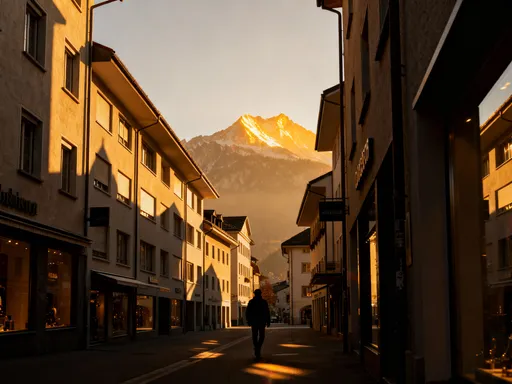
The pulse of Vaduz’s commercial life beats strongest along Städtle, the city’s central pedestrian thoroughfare. This is where locals run errands, visitors window-shop, and photographers linger for the perfect shot. Lined with low-rise buildings in soft stone and glass, the street balances urban sophistication with alpine warmth. The architecture speaks a quiet language of restraint—no gaudy facades or oversized logos—just clean lines, natural materials, and subtle nods to traditional design. Even the street signs are discreet, mounted on slender poles that don’t distract from the overall composition.
Walking down Städtle, you’ll pass a mix of boutique shops, family-run businesses, and international brands that have chosen to operate on a human scale. Jewelry stores display their pieces like museum exhibits, with glass cases illuminated by soft lighting. Fashion boutiques feature mannequins styled in understated elegance, their windows often reflecting the surrounding mountains like living artwork. Local artisans sell handmade ceramics, textiles, and woodwork, each item bearing the mark of careful craftsmanship. The retail experience here is not about volume or variety—it’s about quality and presentation. Even a simple purchase feels like a small ritual, a moment of appreciation for detail.
What makes Städtle truly special is how it integrates with its environment. At certain points, the street opens up to reveal framed views of the Prince’s Castle perched on a hillside, its silhouette softened by the trees that partially obscure it. These glimpses are not accidental; they are part of the city’s visual choreography. In the late afternoon, when the sun dips behind the mountains, the stone walls of the buildings catch a warm golden light, transforming the street into a natural runway for photographers. Street art, though minimal, adds quiet personality—small murals tucked beside doorways or sculptural installations that invite closer inspection. Every element, no matter how small, contributes to a sense of place that is both inviting and inspiring.
Design & Aesthetics: Why Everything Feels So Curated
Vaduz’s visual harmony is not the result of chance but of deliberate urban planning rooted in national values. Liechtenstein has long prioritized quality over quantity, and this philosophy extends to every aspect of city life. Buildings are constructed to last, designed to complement rather than dominate their surroundings. Even financial institutions and government offices are housed in structures that favor understated elegance over imposing grandeur. The absence of high-rises or flashy corporate architecture ensures that the skyline remains low and unobtrusive, allowing the natural landscape to define the city’s character.
One of the most striking features of Vaduz’s aesthetic is its lack of visual noise. Billboards are nonexistent, and commercial signage is kept to a minimum. Storefronts are allowed to speak for themselves, their design and display doing the work of attraction without the need for loud branding. This creates a sense of calm as you walk through the city—a rare quality in an age of constant stimulation. Public spaces are equally thoughtful, with landscaping that uses native plants and seasonal flowers to add color without overwhelming the senses. Benches, fountains, and small plazas are positioned to encourage pause and reflection, not just movement.
Art plays a subtle but important role in shaping the city’s identity. Scattered throughout the commercial district are public sculptures and installations that double as photo-worthy moments. The most famous of these is Batu Sener’s “Open Books,” a striking metal sculpture located near the Kunstmuseum Liechtenstein. Resembling two giant books propped open, it symbolizes knowledge and curiosity—values deeply embedded in the nation’s culture. Other works, like abstract metal forms or minimalist stone arrangements, appear unexpectedly around corners or in quiet courtyards. These pieces don’t shout for attention; they invite discovery. For visitors, they offer not just visual interest but a deeper connection to the city’s intellectual and artistic spirit.
Café Culture: Where Style Meets Sip
In Vaduz, even a coffee break feels like an act of refinement. The cafés along Städtle and its side streets are more than places to grab a drink—they are extensions of the city’s design ethos. Interiors are thoughtfully curated, with light wood tables, neutral upholstery, and large windows that frame the surrounding views. Many offer al fresco seating, allowing guests to sip their cappuccinos while taking in the panorama of the Alps. The atmosphere is one of quiet sophistication: conversations are kept at a murmur, music is soft or absent, and the pace of life slows just enough to savor the moment.
What sets these cafés apart is not just their aesthetic but their consistency. Whether you choose a well-known spot or a hidden corner café, the experience remains remarkably similar—calm, clean, and considerate. Baristas move with precision, preparing drinks with care rather than speed. Pastries are displayed under glass domes like precious artifacts, each one a small masterpiece of baking. The menu often features local specialties, such as honey from Liechtenstein’s alpine meadows or chocolate made in nearby workshops. Even the water is served with intention—chilled and filtered, sometimes with a slice of lemon or mint, always in a glass that feels substantial in the hand.
For content creators and casual travelers alike, these cafés offer ideal settings for lifestyle photography. The combination of natural light, minimalist decor, and mountain backdrops creates a perfect storm of visual appeal. A simple flat lay of a notebook, a coffee cup, and a pair of sunglasses on a wooden table can look like a magazine spread. The lack of crowds during off-peak hours means you can capture these moments without distraction. And because the city’s overall aesthetic is so cohesive, your photos will feel part of a larger narrative—one of balance, beauty, and quiet luxury.
Shopping with a View: Boutiques That Wow
Shopping in Vaduz is an exercise in understated luxury. The boutiques that line the commercial district are not outlets for mass consumption but curated spaces that reflect the city’s commitment to craftsmanship and elegance. You won’t find discount racks or flashing sale signs here. Instead, each store feels like a gallery, where products are displayed with care and context. Jewelry shops, for instance, use dim lighting and velvet-lined cases to highlight the brilliance of gemstones, while fashion boutiques arrange clothing in monochromatic groupings that emphasize texture and cut.
Liechtenstein’s reputation for precision extends to its retail offerings. Watchmakers, known for their Swiss and German influences, display timepieces that are as much works of engineering as they are fashion statements. Local designers offer limited-run collections of knitwear, leather goods, and accessories, often inspired by alpine traditions reinterpreted for modern life. One of the most unique shopping experiences in Vaduz is the opportunity to purchase philatelic treasures—Liechtenstein is world-renowned for its beautifully designed stamps. The national post office features a dedicated philately shop where collectors and casual visitors alike can browse limited-edition issues, some of which depict scenes of the country’s landscapes, history, and culture.
What makes shopping here feel special is the personal touch. Staff are knowledgeable but not pushy, offering assistance only when invited. Returns and exchanges are handled with quiet efficiency, and purchases are wrapped in elegant packaging—thick paper, ribbon, and sometimes a handwritten note. There’s no rush to move you out the door; instead, the experience is paced to allow appreciation. For travelers, this means more than just acquiring souvenirs—it means forming a connection with the place through the objects it values. A small box of chocolates, a handmade scarf, or a single stamp can become a meaningful memento of a city that measures success not in sales volume but in lasting impression.
Golden Hours: When Light Transforms the City
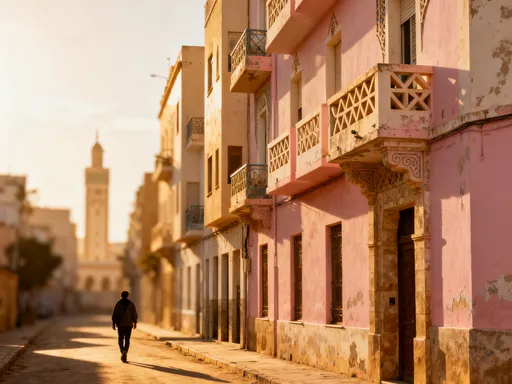
If you want to capture Vaduz at its most magical, time your visit for the golden hours—just after sunrise and before sunset. During these windows, the city undergoes a quiet transformation. The low angle of the sun bathes the stone buildings in a warm, honeyed glow, softening edges and deepening shadows. The reflections in glass-fronted shops create layered compositions, doubling the visual impact of the streetscape. The mountains behind the city shift in color throughout the day, from cool blue in the morning to rich rose in the evening, offering a dynamic backdrop that changes with every passing minute.
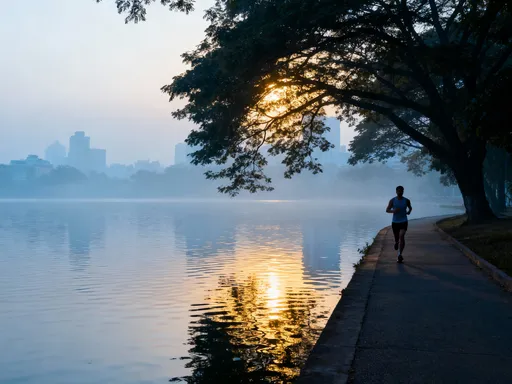
Photographers will find endless opportunities during these times. The east-west orientation of Städtle means that both sunrise and sunset light travel the length of the street, illuminating facades evenly. Early risers can enjoy the city nearly to themselves, with only a few shopkeepers opening their doors and the occasional jogger passing through. This solitude allows for unobstructed shots of storefronts, sculptures, and architectural details. By late afternoon, the light becomes more dramatic, casting long shadows that add depth and dimension to compositions. The best vantage points are often at the intersections where the street opens up, providing clear sightlines toward the hills and the castle.
For those without professional gear, even a smartphone can produce stunning results. The key is to avoid overexposure by adjusting your camera settings or using the HDR function. Look for reflections in windows, puddles after rain, or polished stone surfaces to add interest. Try shooting from low angles to emphasize the height of the buildings against the sky, or use the rule of thirds to frame the Prince’s Castle in the distance. And don’t forget to turn around—sometimes the most compelling shot is the one that captures the quiet elegance of an empty street, bathed in golden light, waiting to be discovered.
Beyond the Frame: The Quiet Confidence of Vaduz
Vaduz’s commercial areas are more than just pretty backdrops—they are reflections of a national identity built on discretion, precision, and pride. Unlike capitals that compete for attention with skyscrapers and neon, Vaduz speaks in whispers. Its wealth is not displayed but lived; its culture is not performed but practiced. Walking through the city, you get the sense that beauty is not an afterthought but a standard. This quiet confidence is perhaps its most compelling quality. It doesn’t need to shout to be seen, to impress to be remembered.
For travelers, Vaduz offers a different way of experiencing urban life—one that values slowness, intention, and respect for surroundings. Its commercial zones are not just places to spend money but spaces to observe, appreciate, and connect with a culture that measures success in sustainability, craftsmanship, and harmony. In a world where many cities struggle with overcrowding, noise, and visual chaos, Vaduz stands as a quiet alternative. It proves that a capital can be small and still significant, modern and still rooted, beautiful and still authentic.
So the next time you plan a trip through Central Europe, consider stepping off the beaten path to wander the streets of this alpine gem. Bring your camera, yes—but also bring your curiosity. Look beyond the Instagrammable moments and see the values that shape them. In Vaduz, every building, every café, every quiet corner tells a story of a nation that believes in doing things well, not loudly. And in that belief, there is a lesson for all of us: that true elegance lies not in excess, but in the care taken to make every detail matter.