You Won’t Believe What I Found in Cambridge’s Hidden Art Scene
Cambridge isn’t just about学霸s and ivy-covered halls—trust me, I was shocked too. When I wandered off the beaten path, I stumbled into a world of street murals, indie galleries, and centuries-old craftsmanship hiding in plain sight. The city’s culture breathes through every cobblestone and courtyard. This is more than a university town—it’s a living canvas. Let me show you the artistic soul of Cambridge most tourists completely miss.
Beyond the Gowns: Discovering Cambridge’s Creative Pulse
Cambridge is often pictured as a city of scholars in flowing robes, cycling between ancient libraries and formal halls. While that image holds truth, it only captures half the story. Beneath the quiet dignity of its academic façade beats a vibrant, creative pulse—one that thrives in side streets, converted warehouses, and sunlit workshops. It’s a city where tradition and innovation aren’t at odds; they coexist, inspire, and occasionally collide in the most beautiful ways. For years, visitors have come to marvel at the spires of King’s College Chapel, yet few pause to notice the painter adding bold colors to a brick wall just behind it.
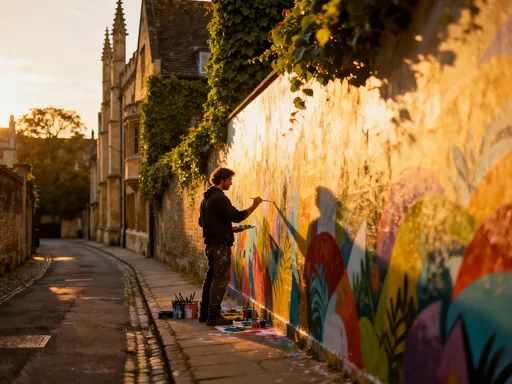
That moment—catching a local artist mid-brushstroke on a mural tucked behind a historic courtyard—was my first real glimpse into Cambridge’s hidden art scene. The contrast was striking: centuries-old stone on one side, a vibrant, contemporary artwork on the other. No signs, no admission fees, no crowds. Just raw creativity in motion. This duality defines Cambridge. It’s a place where PhD candidates debate quantum physics in the morning and perform experimental theater by night. Where medieval bookbinding techniques are preserved just blocks away from pop-up digital art installations. The city doesn’t just tolerate creativity—it nurtures it, quietly and consistently.
What makes this creative undercurrent so special is its accessibility. You don’t need a university affiliation to witness it. You don’t need to book months in advance. You simply need to look up, step down a side alley, or peek through an open studio door. Whether it’s a student sketching in a sunlit college garden or a community project transforming a forgotten wall into a storytelling canvas, art here feels alive and inclusive. It’s not confined to galleries or stages; it’s woven into the rhythm of daily life. And once you tune in, you begin to see it everywhere.
Street Art & Hidden Murals: The City’s Open-Air Gallery
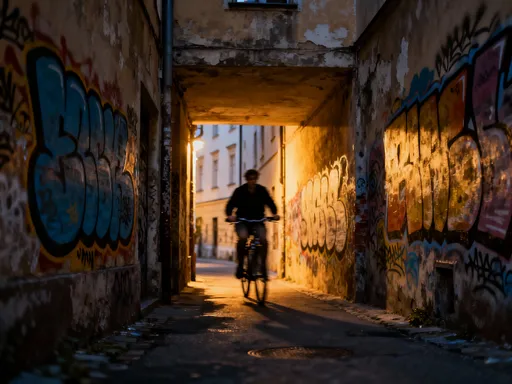
One of the most exhilarating discoveries in Cambridge is realizing that the city itself is an open-air gallery. While many visitors follow the well-trodden path from Trinity College to the Mathematical Bridge, those who veer off into quieter streets are rewarded with bursts of color, wit, and social commentary painted across brick and concrete. Areas like Gwydir Street and the alleys near Mill Road have become unofficial canvases for local and visiting artists. These are not tourist attractions with plaques and guided tours—they are organic, ever-changing expressions of the city’s mood and identity.
Walking through Gwydir Street, you’ll find a dynamic mix of styles: intricate stencil work depicting local wildlife, large-scale paste-ups with poetic slogans, and abstract murals that seem to pulse with energy. One wall might showcase a portrait of a Cambridge scientist rendered in bold geometric shapes, while the next features a whimsical scene of punting cats under a rainbow sky. The art changes frequently, often without announcement, making each visit a fresh experience. Some pieces are political, commenting on housing or climate change. Others are deeply personal, left as anonymous gifts to the community. All of them invite a pause, a second look, a quiet moment of connection.
What’s remarkable is how these works transform ordinary spaces. A drab service lane becomes a corridor of imagination. A blank wall beside a bike rack turns into a storytelling surface. The art doesn’t shout; it whispers, waiting for those who are willing to slow down and listen. For families, this kind of exploration is especially rewarding. Children delight in spotting hidden animals or letters in the designs, while adults appreciate the layers of meaning beneath the surface. Best of all, it’s completely free and accessible at any time of day. A self-guided walking tour through these streets offers not just visual pleasure but a deeper sense of place—of being present in a city that values expression as much as excellence.
The Fitzwilliam Museum: Where History Meets Aesthetic Brilliance
No exploration of Cambridge’s art scene would be complete without a visit to the Fitzwilliam Museum, one of the UK’s most distinguished cultural institutions. Housed in a grand neoclassical building just off Trumpington Street, the museum is a treasure trove of human creativity spanning millennia. From Egyptian mummies and Greek vases to Renaissance paintings and Art Deco furniture, its collections are vast and meticulously curated. But what sets the Fitzwilliam apart is not just the breadth of its holdings—it’s the way it invites visitors to feel, not just observe.
Walking into the main hall, you’re met with a sense of quiet awe. Sunlight filters through high windows, illuminating marble statues and gilded frames. The air is still, reverent, yet never cold. Exhibits are arranged to tell stories, not just display objects. In one room, you might find a delicate William Blake sketch hanging beside a handwritten poem, offering a rare glimpse into the artist’s inner world. In another, the ceramics gallery dazzles with centuries of craftsmanship—Chinese porcelain, Islamic tiles, English pottery—all arranged to highlight their shared beauty and technical mastery.
What makes the Fitzwilliam so accessible, especially for those who might feel intimidated by grand museums, is its human scale and thoughtful presentation. Labels are clear and informative without being overwhelming. Interactive displays invite closer inspection, and quiet benches are thoughtfully placed for reflection. Parents appreciate the family-friendly trails, while older visitors often speak of the emotional resonance of certain pieces—how a 17th-century portrait can feel startlingly alive, or how a simple ceramic bowl can evoke centuries of tradition. Admission is free, and the museum regularly hosts temporary exhibitions, lectures, and workshops, making it a living, evolving space rather than a static archive.
Student Art & Pop-Up Exhibitions: Creativity in Motion
Cambridge’s students are not only academic achievers—they are also a driving force behind the city’s cultural vitality. Every term, art and design students from Anglia Ruskin University and the University of Cambridge showcase their work in end-of-year exhibitions that are as diverse as they are impressive. These events, often held in converted warehouses, college halls, or pop-up galleries, offer a raw, unfiltered look at emerging talent. Themes range from environmental activism to personal identity, from digital experimentation to traditional painting.
Attending one of these exhibitions is an experience unlike any other. The energy is electric—families, locals, and art collectors mingle with nervous artists, sipping tea and discussing brushwork or concept. I once spent an hour talking to a graduate student about her series of textile pieces inspired by river ecosystems. Her passion was palpable, her knowledge deep, and her humility refreshing. These moments of connection—between artist and viewer, idea and emotion—are at the heart of what makes Cambridge’s art scene so special.
Beyond formal shows, student creativity spills into the city in unexpected ways. During the Cambridge Festival of Ideas, you might find a sound installation in a library, a poetry reading in a community garden, or a collaborative mural painted over several days in a public square. Cafes often display rotating works by local students, and some even host live drawing sessions. These pop-up moments are fleeting but powerful—reminders that art doesn’t need a grand stage to matter. They are also deeply inclusive, welcoming all ages and backgrounds. For a mother taking a break from daily routines, or a retiree seeking inspiration, these events offer a chance to engage with fresh perspectives and feel part of something evolving.
Craftsmanship That Endures: From Bookbinding to Bell Ringing
While much of Cambridge’s art scene embraces the new, an equally important thread is its dedication to preserving traditional craftsmanship. In workshops tucked along the River Cam and in quiet courtyards, artisans practice skills that have been passed down for generations. These are not museum pieces frozen in time—they are living traditions, kept alive by individuals who believe in the value of patience, precision, and beauty in the handmade.
One such craft is hand bookbinding, a skill still practiced by a handful of specialists in the city. Visiting a small bindery near St John’s College, I watched as a craftsman restored a 19th-century volume, his hands moving with quiet confidence. The smell of leather and glue filled the air. Tools lay neatly arranged—bone folders, needles, gold leaf. Each step, from repairing torn pages to reattaching the spine, was deliberate, almost meditative. He spoke of the book as a living object, one that carries not just words but history, care, and continuity. To see such work in an age of digital overload is deeply grounding.
Other crafts thrive in similar quiet ways. Stained-glass restorers work on centuries-old church windows, matching pigments and leading with exacting care. Instrument makers shape wood and varnish to create violins that will sing for generations. Even bell ringing—a tradition deeply tied to Cambridge’s many churches—remains a practiced art, with teams rehearsing intricate sequences that require both physical coordination and musical sensitivity. These crafts are not performed for fame or profit. They are acts of preservation, of love for a skill that matters simply because it exists. And in a world that often values speed over substance, they offer a powerful counter-narrative.
Cultural Hotspots Off the Tourist Trail: Cafés, Courtyards & Independent Spaces
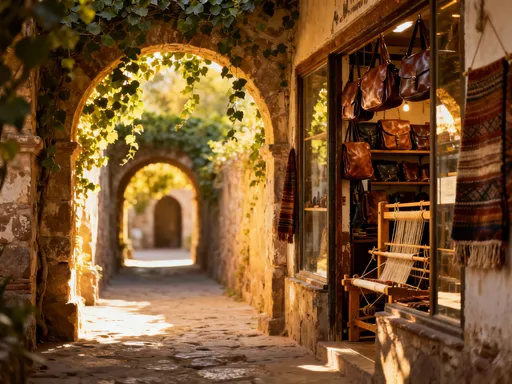
Cambridge’s most memorable cultural experiences often happen in its smallest, quietest spaces. Away from the crowds at King’s College, tucked above bookshops or behind ivy-covered walls, are intimate venues where art is shared, not sold. These are the places where a poet reads her latest work to a circle of listeners, where a jazz trio plays softly in a back room, or where a single painting hangs in a café, inviting contemplation with every cup of tea.
One must-visit destination is Kettle’s Yard, a former home turned gallery that embodies this spirit. Run by the University of Cambridge, it features a carefully curated collection of modern art—works by Ben Nicholson, Alfred Wallis, and Christopher Wood—displayed in a domestic setting. The effect is intimate, almost familial. You’re encouraged to sit, to linger, to let the art settle. Light floods through large windows, and simple vases hold beach stones and dried grasses, echoing the art’s quiet harmony. It’s the kind of place where time slows, and thoughts deepen.
Other hidden gems include the small gallery above Heffers Bookshop, where local artists exhibit rotating collections, and the arts café at the Junction, which hosts live music, film nights, and community workshops. Poetry readings in college courtyards during summer evenings draw small, attentive audiences. These spaces don’t advertise heavily. They rely on word of mouth, on the quiet satisfaction of those who discover them. For the thoughtful traveler, they offer a different kind of richness—one measured not in sights seen, but in moments felt.
How to Experience Cambridge Like a Culture Hunter
To truly experience Cambridge’s artistic soul, you must shift from sightseeing to sensing. The best times to visit are spring and early autumn, when the light is soft, the gardens are in bloom, and the city hosts a range of cultural events. Begin your day with a gentle walk along the Backs, then veer into Gwydir Street to see the latest murals. Stop for coffee at a café with art on the walls, then visit the Fitzwilliam or Kettle’s Yard in the afternoon, when crowds are thinner.
Use local resources to stay informed. University notice boards, community centers, and websites like Cambridge Online list upcoming exhibitions, pop-up events, and workshops. Many student shows are free and open to the public. If you’re visiting with family, look for family trails at museums or outdoor art projects that invite participation. A punt ride on the Cam offers not just scenic views but a unique vantage point for spotting riverside art and hidden gardens.
Most importantly, approach your visit with curiosity and respect. If a studio door is open, knock gently before entering. Support local artists by purchasing a print or postcard. Take nothing but photos, leave nothing but footprints. Remember, the goal isn’t to check off every site on a list—it’s to let the city reveal itself to you, piece by quiet piece. Slow down. Look closely. Listen. The art is there, waiting—not in grand declarations, but in the whisper of a brushstroke, the glint of gold leaf, the laughter at a poetry reading.
Cambridge reveals its magic not in grand declarations but in quiet corners and fleeting moments—an etching in a chapel window, a poem scrawled on a café wall, the chime of hammers in a woodworking studio. Its art and culture aren’t locked away; they pulse beneath the surface, waiting to be noticed. The real journey isn’t about ticking off landmarks—it’s about tuning in. When you do, this ancient city speaks in color, sound, and story. And once you hear it, you’ll never see Cambridge the same way again.