You Won’t Believe These Hidden Theme Worlds in Puebla
Puebla, Mexico, is more than just colorful streets and mole sauce—it’s a city of secret theme zones waiting to be explored. From colonial courtyards that feel like film sets to artisan markets alive with tradition, I discovered how private, immersive spaces shape the soul of this UNESCO site. If you’re looking for depth beyond the guidebooks, Puebla’s themed neighborhoods deliver unforgettable moments—quiet alleys, cultural pockets, and local life unfolding in real time.
The Magic of Themed Neighborhoods in Travel
Travel has evolved from ticking off landmarks to seeking immersive experiences, and one of the most powerful ways to achieve this is through themed neighborhoods—distinct districts within a city that offer a cohesive atmosphere, story, and sensory journey. These areas function like living stage sets, where architecture, sounds, scents, and daily rituals come together to create a unique emotional resonance. For travelers, especially those seeking meaningful connection over checklist tourism, these zones provide a deeper understanding of a place’s identity. In Puebla, this concept thrives in ways both subtle and spectacular.
Themed neighborhoods are not constructed for tourists; they emerge organically from history, tradition, and community. A district might be defined by its centuries-old craft practices, culinary specialties, or architectural style, all of which contribute to a strong sense of place. Psychologically, such environments enhance memory formation—studies in environmental psychology suggest that emotionally rich, sensorially layered spaces are more likely to be remembered vividly. When a traveler walks through a cobblestone alley lined with hand-painted tiles and the scent of roasting cacao in the air, they’re not just observing a scene—they’re internalizing it.
For women between 30 and 55, many of whom travel to recharge, reflect, or bond with family, these immersive spaces offer a rare gift: presence. Unlike crowded attractions where attention is scattered, themed areas invite slowness and mindfulness. Whether it’s watching a potter shape clay in a sunlit workshop or sharing a quiet moment in a hidden garden, these experiences foster a sense of calm and connection. Puebla, with its layered history and cultural pride, exemplifies how urban spaces can be both beautiful and emotionally nourishing.
Moreover, the rise of experiential travel reflects a broader shift in values—people want authenticity, not performance. Themed neighborhoods succeed because they are lived-in, not staged. Locals go about their days, children play in plazas, and vendors call out their wares in rhythm with the hour. This authenticity is what makes Puebla’s districts so compelling. They are not museums behind glass but breathing, evolving communities where visitors can witness culture in motion.
Puebla’s Historic Center: A Living Movie Set
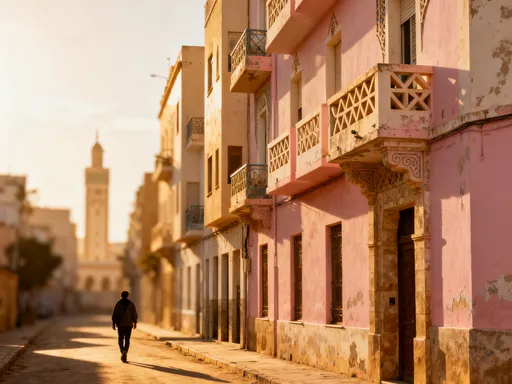
The heart of Puebla’s magic lies in its historic center, a UNESCO World Heritage site since 1987 and one of the best-preserved colonial urban landscapes in the Americas. Walking through its streets feels like stepping onto a film set where every frame is perfectly composed—the facades of 16th-century buildings adorned with intricate tilework, the golden glow of sandstone churches at sunset, the soft chime of cathedral bells echoing across the Zócalo. This is not a reconstructed past but a living present, where centuries-old architecture houses modern life.
The Zócalo, Puebla’s central square, serves as the emotional and physical anchor of the city. By day, it buzzes with families, street performers, and vendors selling papel picado and handmade sweets. As the sun begins to dip, the atmosphere shifts—shadows lengthen, the temperature cools, and the square takes on a golden hue. Locals gather to stroll, children chase bubbles, and couples sit on benches sharing stories. The Puebla Cathedral, rising majestically from the north end of the plaza, becomes even more imposing in the late light, its twin bell towers glowing like embers.
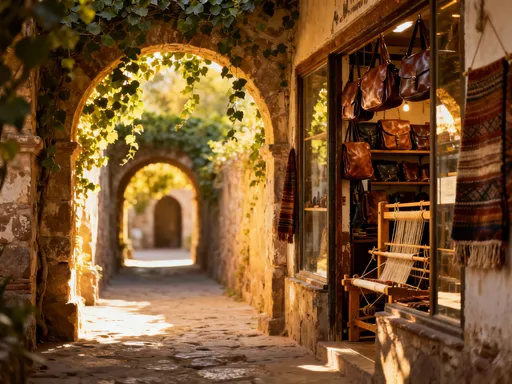
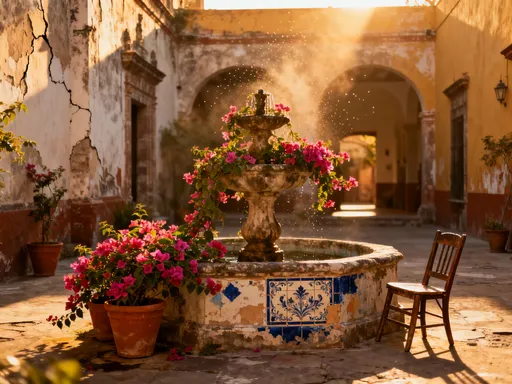
But the true wonder of the historic center lies beyond the main plazas, in the narrow alleys and unmarked doorways that lead to hidden courtyards. Known as patios, these inner gardens are remnants of colonial domestic life, where families once gathered around fountains and citrus trees. Many remain private, but some open during cultural events like the annual Festival de los Pueblos Mágicos, offering glimpses into a quieter, more intimate Puebla. These spaces are often lush with bougainvillea, jasmine, and potted herbs, their tiled fountains whispering with the sound of falling water.
Sensory details define the experience: the coolness of stone underfoot, the scent of freshly baked pan dulce from a corner bakery, the rhythmic clatter of horse-drawn carriages on cobblestones. Street vendors sell cemitas—Puebla’s famous sandwich—wrapped in wax paper, their voices blending with the hum of conversation. Every corner offers a new vignette: an artist painting en plein air, an elderly woman watering geraniums from a clay pot, a mural depicting the city’s founding. This is not passive sightseeing; it is participation in a living tableau.
Artisan Soul: The Talavera and Handcraft Quarters
Puebla is synonymous with Talavera pottery, a tradition that dates back to the 16th century and blends Spanish, Indigenous, and Arab influences. The craft is so integral to the city’s identity that only pieces made in designated workshops in Puebla and nearby Atlixco can carry the official Denominación de Origen Talavera. These workshops, clustered in artisan quarters like Barrio de la Luz and Santa María Tonantzintla, are not tourist shops but working studios where families have passed down techniques for generations.
Visiting a Talavera workshop is like stepping into a living museum of craftsmanship. The process is meticulous: artisans hand-throw clay on wheels, let it dry, fire it once, paint it with mineral-based pigments, then fire it again. Each piece can take weeks to complete. The designs—often floral, geometric, or narrative—are painted freehand, making every plate, cup, or tile one of a kind. Watching a master painter at work is mesmerizing: their brush moves with confidence, yet each stroke is deliberate, guided by decades of practice.
For travelers, the key is to seek out authentic studios rather than mass-produced souvenirs. Certified Talavera pieces carry a stamp from the Consejo Regulador de la Talavera, ensuring they meet strict quality standards. Some workshops, like Uriarte Talavera and Talavera de la Reina, offer guided tours where visitors can see the entire process and even try their hand at painting. These experiences are especially meaningful for those who value tradition, artistry, and sustainability—qualities that resonate deeply with thoughtful travelers.
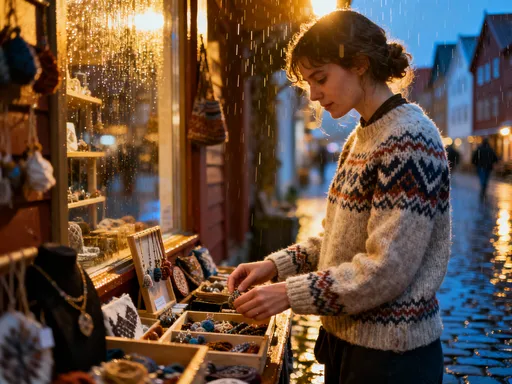
But Talavera is only one thread in Puebla’s rich artisan tapestry. The city is also known for its textiles, particularly rebozos (traditional shawls) woven on pedal looms, and alebrijes—brightly painted wooden figures carved from copal wood. Markets like Mercado de Artesanías and Casa del Caballero Aguilar showcase these crafts, often with artisans present to demonstrate their work. These spaces are not just for shopping; they are cultural dialogues, where visitors can learn about materials, techniques, and the stories behind the pieces.
The Secret Garden Districts: Hidden Courtyards and Green Havens
One of Puebla’s most enchanting features is its network of hidden courtyards, or patios, which have become the subject of poetry, photography, and annual festivals. These private gardens, tucked behind heavy wooden doors and unassuming facades, were once the heart of colonial homes, serving as spaces for family life, cooling the interior, and connecting residents to nature. Today, many remain in private use, but a growing number open to the public during special events, offering rare access to these serene oases.
The Festival de los Patios Poblanos, held each spring, is the most celebrated opportunity to explore these spaces. For several days, homeowners and institutions welcome visitors into their gardens, transforming the city into a living garden tour. Some patios are formal, with symmetrical layouts, fountains, and tile-lined pools. Others are wilder, with climbing vines, potted succulents, and birdsong filling the air. Each reflects the personality of its caretaker—some are meticulously groomed, others delightfully overgrown.
These gardens are more than beautiful; they are acts of preservation. In a world where urban green spaces are shrinking, Puebla’s patios represent a quiet resistance—a commitment to beauty, privacy, and tranquility. They also serve practical purposes: in the city’s high-altitude climate, these shaded areas provide natural cooling, reducing the need for artificial air conditioning. Their survival is a testament to community pride and cultural continuity.
For travelers, visiting a patio is a meditative experience. The contrast between the bustling streets and the stillness within is striking. The sound of traffic fades, replaced by the trickle of water and the rustle of leaves. Time seems to slow. This is not a place to rush through but to linger in, to breathe deeply, to notice the way light filters through a lattice of vines. These moments of quiet reflection are rare in modern travel, yet deeply restorative—especially for those seeking balance and renewal.
Culinary Enclaves: Where Food Defines a Neighborhood
In Puebla, food is not just sustenance; it is identity, history, and art. The city is widely regarded as the cradle of Mexican cuisine, home to iconic dishes like mole poblano, chiles en nogada, and cemitas. But beyond the famous recipes, Puebla’s culinary magic lies in its food-themed neighborhoods—districts where certain flavors, ingredients, or traditions dominate, creating distinct gastronomic zones.
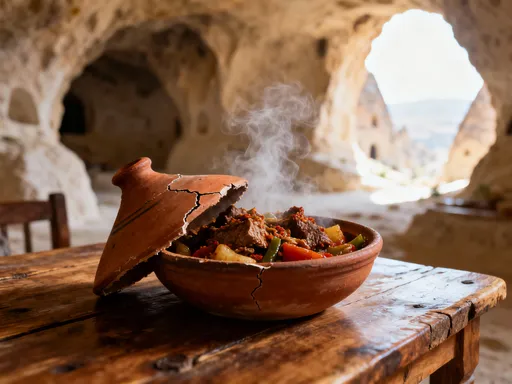
The Mercado de Sabores Poblanos, located near the historic center, is a temple to local flavors. Unlike larger, more commercial markets, this space focuses exclusively on regional specialties. Stalls overflow with dried chiles, handmade tortillas, cacao beans, and jars of mole paste. Vendors offer samples—spoonfuls of rich, complex mole, slices of sweet plantains, cups of atole thickened with corn masa. The air is thick with the scent of cumin, cinnamon, and roasted nuts, a sensory map of Puebla’s culinary soul.
But the real treasures are found in residential corners, where family-run eateries have operated for decades. In neighborhoods like San Pedro and La Paz, small fondas serve mole poblano made from recipes passed down through generations. These dishes are not standardized; each family has its own variation, some sweeter, others spicier, all deeply personal. Eating in these places is an act of trust and connection—travelers are not just customers but guests.
Chiles en nogada, a dish often associated with Mexican independence, is another regional highlight. Stuffed poblano peppers topped with a creamy walnut sauce and pomegranate seeds, it’s a feast of colors and flavors—green, white, and red, mirroring the national flag. While available in restaurants year-round, it’s most commonly enjoyed in late summer, when ingredients are at their peak. Local cooks take pride in their versions, often sharing the history behind the dish and its ties to Puebla’s convents.
For travelers, the key to enjoying Puebla’s culinary enclaves is timing and curiosity. Visiting markets in the morning ensures the freshest offerings and fewer crowds. Asking vendors for recommendations—pointing, smiling, using simple phrases—can lead to unexpected discoveries. And eating slowly, savoring each bite, turns a meal into a ritual. In a city where food is love, these moments are sacred.
Beyond the Beaten Path: Off-the-Radar Theme Spots
While Puebla’s historic center and artisan markets draw well-deserved attention, some of its most inspiring theme areas lie just beyond the tourist radar. These are pockets of creativity and quiet innovation—street art alleys, literary cafés, textile cooperatives—where students, artists, and young entrepreneurs are reshaping the city’s cultural landscape while honoring its roots.
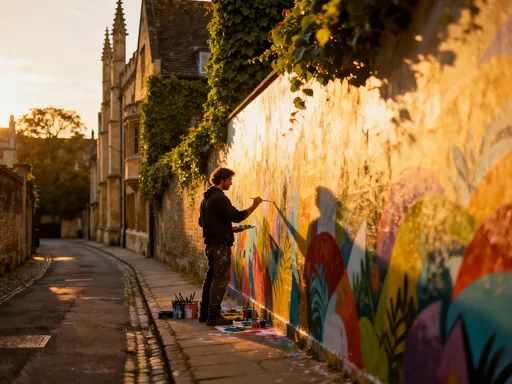
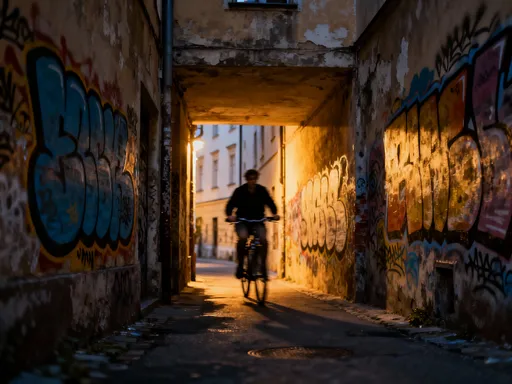
In the neighborhood of San Manuel, murals cover entire building facades, transforming once-overlooked walls into open-air galleries. These works, often created by local collectives, depict Indigenous heritage, environmental themes, and social messages. Walking through these alleys feels like reading a visual poem—one that speaks of pride, resilience, and hope. Unlike commercial street art districts in other cities, these murals are community-driven, emerging from collaborations between artists and residents.
Literary cafés, another growing trend, offer quiet retreats for reading, writing, and conversation. Spaces like Café Brusselas and El Péndulo blend old-world charm with modern comfort, serving excellent coffee amid shelves of books and soft jazz. These cafés attract students from nearby universities, writers working on novels, and travelers seeking a moment of calm. They are not performance spaces but sanctuaries—places where the mind can wander and the soul can rest.
Textile cooperatives, particularly those supporting Indigenous women weavers, represent another form of cultural preservation. In villages on the outskirts of Puebla, groups like Taller Sotz’il and Mujeres Tejen Sueños produce handwoven textiles using natural dyes and ancestral techniques. These cooperatives are not only economic engines but also centers of cultural education, where younger generations learn to weave and elders pass on stories. Visitors can tour these spaces, observe the process, and purchase directly—knowing their support sustains both craft and community.
Exploring these off-the-radar spots requires a different kind of travel—one based on curiosity, respect, and openness. These areas are not designed for mass tourism, so visitors should tread lightly, ask permission before photographing, and support local businesses. Public transportation, walking, or bike rentals are ideal ways to move between them, reducing environmental impact and allowing for spontaneous discoveries.
How to Experience Puebla’s Theme Areas Like a Local
To truly connect with Puebla’s themed neighborhoods, travelers must shift from seeing to sensing, from rushing to lingering. The city rewards those who move slowly, observe deeply, and engage authentically. One of the most effective strategies is to base your stay in a historic district—preferably in a converted colonial home or boutique hotel—so you can experience the rhythm of daily life: the morning sweep of brooms, the midday siesta, the evening return of families.
Pacing is essential. Rather than trying to cover every site in a day, focus on one or two theme areas at a time. Begin with the historic center, then dedicate a day to artisan visits, another to culinary exploration. Allow time for rest—sit in a plaza with a book, enjoy a long lunch, take an afternoon nap. These pauses are not wasted time; they are when the city reveals its quiet details.
Engaging with locals is another key. A simple “buenos días” to a shopkeeper, a smile to a neighbor watering flowers, a question about a recipe can open doors—sometimes literally. Many residents are proud of their city and happy to share insights, especially when approached with genuine interest. Learning a few basic Spanish phrases enhances these interactions, but kindness and respect transcend language.
Finally, let go of the need for a perfect itinerary. Some of the best moments in Puebla happen by chance—a spontaneous invitation to a courtyard, a conversation with a potter, a dish discovered on a side street. These unplanned encounters are the heart of travel. By embracing curiosity over control, visitors don’t just see Puebla—they feel its pulse, its warmth, its enduring spirit.
Puebla’s charm isn’t in any single landmark—it lives in the seamless blend of history, craft, flavor, and quiet beauty found across its themed areas. By stepping into these private worlds, travelers don’t just see the city; they feel its rhythm. The true journey begins not with a map, but with curiosity.