You Won’t Believe What I Ate in Davao — Culture on a Plate
Davao isn’t just the land of durian — it’s where culture and cuisine collide in the most delicious ways. I went looking for authentic flavors and ended up discovering traditions passed down through generations. From bustling local markets to family-run eateries tucked in quiet neighborhoods, every bite told a story. If you think Filipino food is just adobo and lechon, trust me — Davao will flip your taste map upside down. This is dining with soul, heart, and a whole lot of spice.
Arrival in Davao: First Impressions of a City That Feels Like Home
Stepping off the plane in Davao, the first thing you notice is the air — warm, humid, and faintly sweet with the scent of ripening fruit. Unlike the frenetic pace of Manila or the tourist-heavy lanes of Boracay, Davao moves at a rhythm that feels intentional, unhurried, and deeply welcoming. The city greets visitors with wide, clean streets, lush greenery, and smiles from strangers that don’t feel forced. It’s a place where children wave from bicycles and vendors offer fresh coconut water with a gentle nod, not an aggressive sales pitch.
Many travelers still carry outdated assumptions about Mindanao, picturing it as remote or unsafe. But the reality is far different. Davao is a thriving urban center that honors its roots while embracing progress. It’s a city where security is visible but unobtrusive, where families stroll in parks after sunset, and where cultural pride runs deep. The misconception that Davao is only about durian or as a gateway to Mount Apo vastly underestimates its richness. In truth, the most revealing way to understand this city is not through its landmarks, but through its food.
Food in Davao is more than sustenance — it’s a language. It speaks of history, geography, and the values of a community that prizes hospitality above all. Whether served on a banana leaf at a roadside stall or shared over laughter at a family gathering, every dish carries meaning. To eat in Davao is to be invited into a conversation that spans centuries, one where ingredients are messengers and meals are memories. For the curious traveler, especially women who often carry the role of nurturer and caretaker at home, this culinary openness feels deeply familiar and comforting.
The Heart of Davao’s Food Culture: Where Tradition Meets the Table
Davao’s cuisine is a living mosaic, shaped by centuries of migration, trade, and resilience. At its core lies the indigenous heritage of the Bagobo, Mandaya, and other Lumad groups, whose knowledge of local plants and fishing techniques still influences what ends up on the plate. Over time, Malay flavors brought bold spices and fermentation methods, while Chinese traders introduced stir-frying and noodle dishes. Spanish colonization layered in vinegar-based stews and the art of slow roasting, creating a blend that is uniquely Mindanaoan.
One of the most distinctive aspects of Davao’s food is its reliance on fresh, hyper-local ingredients. The region’s fertile soil and proximity to the sea mean that meals are built around what is seasonally available. Kinilaw, a type of ceviche made with raw fish cured in vinegar, calamansi, and ginger, is a staple that showcases the city’s coastal abundance. Unlike the more familiar kinilaw from other regions, Davao’s version often includes coconut milk, giving it a creamy richness that balances the tanginess.
Another signature ingredient is ubod, or heart of palm, harvested from young coconut trees. It appears in salads, stir-fries, and stews, offering a tender crunch and mild sweetness. When cooked in coconut milk with chili and garlic, it becomes a comforting dish often served during rainy afternoons. Fresh seafood is equally central — from succulent tuna caught off the coast of Samal Island to plump prawns grilled over open flames. These ingredients aren’t just food; they are testaments to a way of life deeply connected to the land and sea.
Equally important is the communal nature of dining. In Davao, meals are rarely solitary affairs. Even in small carinderias, strangers often end up sharing tables, passing condiments, and exchanging stories. This reflects the Filipino value of pakikisama — getting along, building harmony, and strengthening bonds through shared experiences. For visiting women, especially those who manage households and prioritize family meals, this emphasis on togetherness feels both natural and deeply affirming.
Durian: Love It or Hate It, But You Can’t Ignore It
No discussion of Davao’s food culture is complete without addressing the king of fruits — durian. Revered by locals and infamous among foreigners, durian is more than a fruit; it’s a cultural icon. Its spiky green husk and pungent aroma have earned it bans in hotels and public transport, yet in Davao, it’s celebrated with pride. The city hosts an annual Durian Festival, where vendors sell everything from fresh pods to durian-flavored coffee, chocolates, and even ice cream.
My first encounter with durian was both thrilling and intimidating. I stood at a roadside stall, watching a vendor expertly crack open a large pod with a machete. The smell hit me instantly — a mix of onions, caramel, and something unmistakably earthy. I hesitated, but the vendor, a middle-aged woman with a warm smile, handed me a piece on a small wooden stick. “Try,” she said. “It’s sweet inside.”
One bite changed everything. The creamy, custard-like flesh was rich and complex — sweet, slightly bitter, and nutty all at once. It reminded me of ripe banana blended with vanilla and a hint of garlic, though that last note is more imagined than real. I tried it again in other forms: candied durian chips, durian pancakes from a local bakery, and even durian ice cream, which masked the odor but kept the flavor. Each version revealed a new dimension of this misunderstood fruit.
What struck me most was how locals embrace durian without apology. It’s not just eaten — it’s cherished. Families keep durian trees in their backyards, children snack on it after school, and elders say it gives strength. There’s a quiet dignity in their pride, a refusal to conform to outside judgments. For women travelers, especially those who value authenticity and cultural respect, durian becomes a metaphor: some things worth loving aren’t always easy at first, but they reward those who are open to them.
Street Food Adventures: Eating Like a True Davaoeño
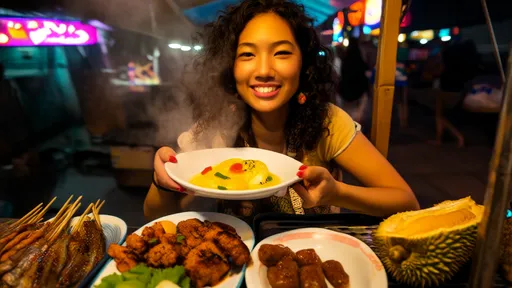
As the sun sets over Davao, the city transforms. The heat softens, the breeze picks up, and the streets come alive with the sizzle of grills and the laughter of families gathering for evening snacks. This is prime time for street food — a cornerstone of Davao’s culinary identity. Night markets and food hubs like People’s Park Food Hub or the stalls along Roxas Avenue offer a sensory explosion: smoke curling from charcoal grills, the tang of vinegar marinades, and the golden glow of fried snacks under string lights.
One of the most popular street eats is isaw — grilled chicken or pork intestines, marinated in vinegar, garlic, and spices, then skewered and cooked over open flame. To the uninitiated, it might sound daunting, but to locals, it’s comfort food. Crispy on the outside, tender within, it’s often dipped in a spicy vinegar sauce and paired with cold soda or beer. Barbecued pork, known locally as pork barbeque, is another favorite — juicy, smoky, and slightly sweet, served on bamboo sticks with a side of rice.
For something milder, banana cue is a beloved treat. Saba bananas are coated in brown sugar, fried until caramelized, and skewered for easy eating. It’s warm, sweet, and satisfying — the kind of snack a mother might buy for her children after a long day. Other common offerings include camote cue (sweet potato fritters), fish balls in broth, and kwek-kwek (battered quail eggs). Each bite is affordable, flavorful, and deeply rooted in everyday life.
For health-conscious or cautious travelers, street food can raise concerns about hygiene. But in Davao, many vendors follow good practices: food is cooked to order, ingredients are fresh, and stalls are often clean and well-maintained. Look for busy spots with high turnover — a sign of quality and safety. Bringing hand sanitizer or wipes is a wise precaution, but don’t let fear keep you from experiencing these authentic flavors. Eating street food isn’t just about taste; it’s about joining the rhythm of local life.
Hidden Eateries: The Family Kitchens That Define Authenticity
Beyond the markets and tourist spots lie the true heart of Davao’s food scene: the unmarked carinderias run by families who cook the same recipes for decades. These are not restaurants with menus or Instagrammable interiors. They are simple, often cramped spaces with plastic tables, ceiling fans, and the constant hum of conversation. But within these walls, some of the most authentic meals in the city are served.
One such place, recommended by a local teacher, was tucked behind a residential compound in Buhangin. There was no sign, just a handwritten note taped to the gate: “Open 11–7.” Inside, an elderly woman stirred a large pot of ginataang ampalaya — bitter melon simmered in coconut milk, shrimp paste, and chili. The dish, though humble, was deeply comforting — creamy, slightly bitter, and warming. It’s the kind of food served when someone is feeling under the weather or after a long day in the fields.
Another standout was grilled tuna belly, a specialty of coastal Davao. The fish, sourced from nearby waters, was marinated in calamansi and garlic, then grilled over charcoal until the skin crackled. Served with steamed rice and a side of pickled papaya, it was rich, smoky, and deeply satisfying. Sinuglaw, a fusion of kinilaw and grilled pork, also appeared on the menu — a bold mix of raw and cooked flavors that exemplifies Davao’s culinary creativity.
What makes these meals special is their connection to place and practice. The vegetables come from backyard gardens, the fish from early morning catches, the recipes from grandmothers who never wrote them down. Eating here isn’t transactional; it’s relational. The owner might ask about your day, refill your water without being asked, or offer extra rice “for strength.” For women travelers, especially those who value home-cooked meals and family traditions, these moments feel like coming home.
Festivals and Food: Celebrating Culture Through Flavor
No event captures the spirit of Davao better than the Kadayawan Festival, an annual harvest celebration that transforms the city into a vibrant tapestry of music, dance, and, most importantly, food. Held every August, Kadayawan honors the indigenous cultures of Mindanao and gives thanks for a bountiful year. The streets fill with floral floats, traditional dancers in elaborate costumes, and the irresistible aroma of cooking.
Food takes center stage during Kadayawan. Harvest displays showcase durian, pomelo, rambutan, and other local produce, arranged into stunning sculptures. Cooking demonstrations feature Lumad elders preparing traditional dishes, passing down techniques to younger generations. Food stalls line the sidewalks, offering regional specialties from across Davao — grilled pusit (squid), native chicken adobo, and desserts made from cassava and coconut.
What makes Kadayawan special is its emphasis on community. Families gather in parks with picnic mats, sharing dishes brought from home. Strangers exchange plates, children run between tents, and elders sit together, reminiscing. The festival isn’t just a tourist attraction; it’s a living tradition, a reminder that food is not just eaten but shared, celebrated, and given thanks for. For women who often organize family meals and holiday gatherings, Kadayawan feels deeply familiar — a grand version of the dinners they host at home.
The festival also highlights sustainability. Many events focus on environmental protection, organic farming, and the preservation of native crops. This connection between food and stewardship resonates with travelers who care about responsible tourism. By participating — whether by tasting a new fruit or learning a recipe — visitors become part of a larger story of gratitude and resilience.
How to Eat Mindfully in Davao: A Traveler’s Guide to Respectful Dining
As rewarding as Davao’s food culture is, approaching it with respect is essential. For travelers, especially women who often navigate cultural spaces with care and empathy, mindful dining means more than just trying new foods — it means engaging with them in a way that honors their origins.
Start with simple gestures. A warm “good morning” or “salamat” (thank you) goes a long way. When invited into a home or small eatery, accept with gratitude. Filipinos value hospitality, and refusing food can be seen as a slight, even if unintended. If you’re unsure about an ingredient, ask politely — most people are happy to explain. And when sharing a meal, remember that communal dining means passing dishes, serving others before yourself, and leaving room for seconds (or thirds).
Be adventurous, but avoid treating local customs as exotic curiosities. Durian isn’t “weird” — it’s beloved. Isaw isn’t “gross” — it’s cherished. Approach every dish with openness, not judgment. Take photos if invited, but never snap pictures of people without permission. And whenever possible, support small vendors, family-run carinderias, and local markets. Your spending directly supports livelihoods, not corporate chains.
Finally, practice sustainability. Carry a reusable water bottle, avoid single-use plastics, and choose seasonal, locally sourced foods. Ask vendors about the origin of ingredients when you can. By making conscious choices, you honor not just the culture, but the environment that sustains it.
Davao’s specialty dining isn’t just about taste — it’s a journey into the soul of a resilient, warm, and flavorful culture. Every meal is an invitation to belong, even if just for a moment. By choosing to eat like a local, travelers don’t just fill their stomachs — they build bridges. So next time you’re in the Philippines, go beyond the usual trail. Let your fork lead the way, and let Davao surprise you.